
The autumn harvest festival is one of those weekends when the valley feels like it has turned itself inside out for visitors: produce on the tables, muddy boots by the door, children running between stalls, and a guided walk that sets off before the dew has lifted. Registration is not complicated, but it rewards a little care. Whether you are booking a place on a walk or reserving a pitch for a stall, the same rules apply: use the current form, read the notes, and keep your confirmation.
There are two registration routes. The walk form is for residents who want to join a guided walk, either alone or with family and friends. The stallholder form is for traders, growers, community groups and anyone else who wants a pitch at the market. Do not use last year's PDF because it happened to be saved on your laptop. The current form will state the festival dates, the deadline, the fee and who to contact. If you are registering on behalf of a household, a walking group or a business, check whether the form asks for one lead name or a full list. Give the details exactly as you want them to appear on the list or pitch sheet.
If you cannot use the online form, ask the festival office for a paper copy. Fill it in clearly, keep a copy for yourself and send it to the address printed on the form. A blurry photo of a completed form is better than no record, but the office needs the original or a clear scan if it says so.
Walk places are often limited by the number of guides, the route and the need to keep groups together. That makes the deadline more than a formality. Work through the form in this order:
Most of the questions are practical rather than nosy. The emergency contact should be someone who is not walking with you if possible, and the number should be current. If you have a dog, check the rules before you tick the box; some routes cross land where dogs must stay on a lead, and some walks do not allow them at all. If you need to go at a slower pace, say so now rather than on the day. Organisers can plan for a second guide or a shorter route if they know early; they cannot always fix it at the starting point.
Stallholder registration asks for more detail because the festival has to fit people, vehicles, tables and power safely into the same streets and squares. Start with the type of pitch you need. A produce stall, a craft stall, a community group stand and a food stall are not interchangeable. The form should let you choose a category and a pitch size. If it does not, write the details in the notes box and ask for confirmation.
Have these details ready before you begin:
The fee depends on the pitch: size, position, power and whether you are a commercial trader or a community group. The form should show the rate before you pay. If the amount is not clear, ask before sending money. A payment without a confirmed pitch is not a reservation.
The deadline is the date on the current form, not the date you remember from last year. Treat it as final. If the form says “postmarked by” it means the office will accept a form posted by that date; if it says “received by”, a postmark is not enough. Online forms usually close automatically at the stated time, so do not leave submission until the last evening. The office may be busy, and a full inbox is a poor excuse for a missed place.
Fees, if any, are part of registration, not a tip or a donation. Pay the amount shown, use the reference requested and keep proof. If you think you qualify for a community rate or a concession, ask before you pay; do not assume it will be applied later. Refund rules should be on the form. Read them before you sign up, especially for stalls, where cancellations can leave a gap in the market.
Most registrations end with a confirmation email or letter. Check your spam folder before you assume nothing has arrived. The confirmation should tell you what happens next: the meeting point for walkers, the arrival time for stallholders, the pitch number or allocation arrangements, and who to contact on the day. If you have not heard within the period stated on the form, follow up with the festival office. Give your name, the form reference and the date you submitted.
Stallholders should expect a separate information sheet covering vehicle access, set-up and breakdown times, waste, and any restrictions on tents or weights. Read it properly. Walkers should check the meeting point and start time again the week before, and dress for the weather rather than the forecast. If the route crosses fields or woods, waterproof footwear is not a fashion statement; it is the difference between a good morning and a miserable one.
Tell the festival office as soon as you know you cannot attend. For walks, a cancelled place can go to someone on the waiting list. For stalls, the organisers may be able to reallocate a pitch, but only if they have notice. Do not pass your walk place or pitch to someone else unless the form says you may. Names on emergency contacts and insurance documents matter. Refunds, if any, follow the terms you agreed to at registration, not what seems fair on the day.
Before you press submit or put the form in the post, run through this list:
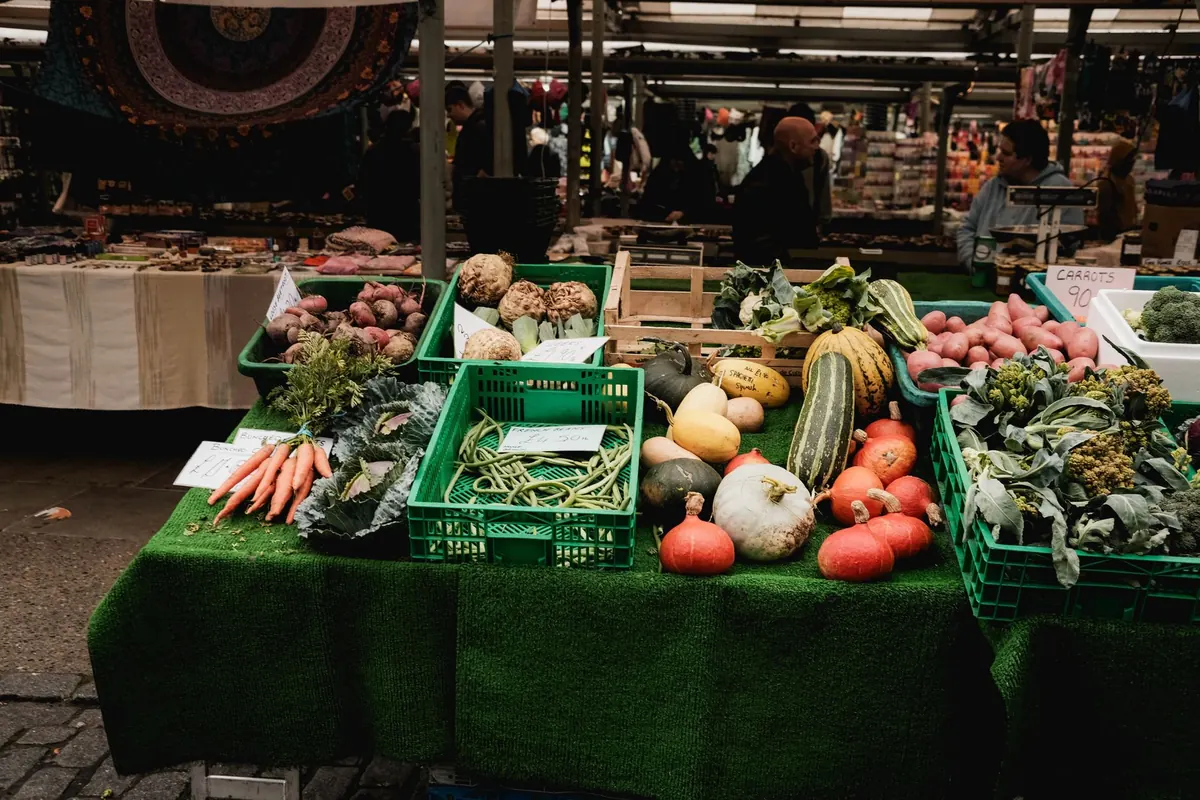
Pricing by instinct, invisible signs and a cash-only tin cost new stallholders more than they realise. Practical...

A practical comparison of the weekly market and the village shop — on price, freshness, opening hours and selection...

A practical listening guide to the dialect phrases echoing around the valley's market stalls, with pronunciation...


Local news and stories from the valley.
